
The Role of Business Backup Power Solutions in Ensuring Operational Continuity

Updated: May 5
Power interruptions can disrupt your business operations, cause data loss, and lead to financial setbacks. In today’s fast-paced environment, maintaining a steady power supply is critical. That is why investing in reliable business backup power solutions is essential. These systems provide a safety net, allowing your business to continue functioning smoothly during outages or power fluctuations.
Why Business Backup Power Solutions Matter
Power outages can happen unexpectedly due to weather, equipment failure, or grid issues. When your business loses power, even for a short time, it can halt production, disrupt communication, and damage sensitive equipment. Business backup power solutions help you avoid these problems by providing an immediate alternative power source.
For example, a retail store without power cannot process sales, leading to lost revenue and frustrated customers. Similarly, a data center without backup power risks losing critical information and damaging servers. By having a backup power system in place, you ensure your business stays operational, protects assets, and maintains customer trust.
Key Benefits of Business Backup Power Solutions
Uninterrupted operations: Keep your business running during outages.
Data protection: Prevent data loss and hardware damage.
Customer satisfaction: Avoid service disruptions that affect clients.
Compliance: Meet industry regulations requiring power continuity.
Cost savings: Reduce losses caused by downtime.

What is a backup power system?
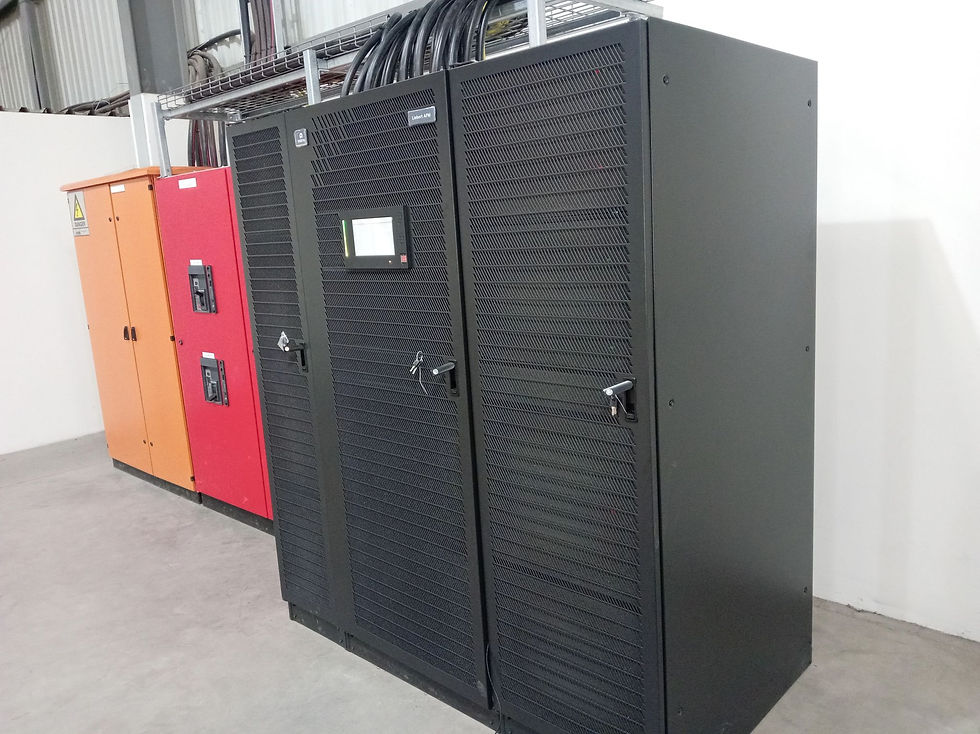
A backup power system is a setup designed to provide electricity when the main power source fails. It typically includes components like generators, uninterruptible power supplies (UPS), batteries, and transfer switches. These systems activate automatically or manually to supply power without delay.
There are several types of backup power systems:
Generators: Use fuel such as diesel, natural gas, or propane to produce electricity. They are suitable for long outages and high power demands.
Uninterruptible Power Supplies (UPS): Provide instant power from batteries to protect sensitive equipment during short outages or until a generator starts.
Battery Storage Systems: Store energy for use during outages, often paired with renewable energy sources.
Transfer Switches: Automatically switch the power source from the grid to the backup system.
Choosing the right system depends on your business size, power needs, and outage frequency. For example, a small office may rely on a UPS, while a manufacturing plant might require a large generator.
How to Choose the Right Business Backup Power Solutions
Selecting the right backup power solution requires careful assessment of your business needs. Here are practical steps to guide you:
1. Assess Your Power Requirements
Calculate the total power your business needs to operate critical systems during an outage. Include computers, lighting, HVAC, security systems, and machinery. This helps determine the capacity of the backup system.
2. Identify Critical Equipment
Prioritize equipment that must stay powered. For example, servers, communication devices, and refrigeration units may be essential. This prioritization helps optimize your backup power setup.
3. Consider Outage Duration and Frequency
If outages are brief and rare, a UPS or battery system might suffice. For longer or frequent outages, a generator is more appropriate.
4. Evaluate Fuel and Maintenance
Generators require fuel and regular maintenance. Consider fuel availability and costs. Battery systems need less maintenance but have limited runtime.
5. Plan for Scalability
Choose solutions that can grow with your business. Modular systems allow you to add capacity as needed.
6. Consult Professionals
Work with experts to design and install your backup power system. They can ensure compliance with safety standards and optimize performance.
Implementing Backup Power Systems in Your Business
Once you select the right solution, proper implementation is crucial. Follow these best practices:
Professional Installation: Hire certified technicians to install and test the system.
Regular Testing: Schedule routine tests to ensure the system works when needed.
Maintenance Plans: Set up maintenance contracts to keep equipment in good condition.
Employee Training: Train staff on system operation and emergency procedures.
Monitoring Systems: Use remote monitoring to detect issues early and respond quickly.
By following these steps, you minimize the risk of failure and maximize the reliability of your backup power.
The Impact of Reliable Power on Business Growth
Reliable power is more than just a safety measure. It supports business growth by enabling:
Continuous Productivity: Avoid costly downtime and meet deadlines.
Enhanced Customer Experience: Provide consistent service without interruptions.
Data Security: Protect sensitive information and maintain compliance.
Operational Efficiency: Reduce stress on equipment and staff during outages.
Competitive Advantage: Stand out as a dependable business partner.
Investing in backup power systems is a strategic decision that safeguards your operations and supports long-term success.
Preparing for the Unexpected with Backup Power
Power disruptions are unpredictable. Preparing your business with robust backup power solutions ensures you are ready for any situation. Start by evaluating your current power setup and identifying vulnerabilities. Then, implement a tailored backup system that fits your needs and budget.
Remember, the goal is to keep your business running smoothly, protect your assets, and maintain customer trust. With the right backup power solutions, you can face power outages confidently and keep your operations on track.
By prioritizing reliable power infrastructure, you create a foundation for resilience and growth. Take action today to secure your business’s future with effective backup power solutions. If you are in Durban, Westville, Kwa-Zulu Natal and the rest of South Africa and in need of uncompromising Backup Power Solutions, Call/ WhatsApp us on 0785154731 or call us on 031 100 2679 to Book a Site Assessment at your earliest convenience.


Comments